
In 1989, Tim Berners-Lee, a software engineer at CERN, wrote a proposal for a system to link documents across the internet. By 1991 he had built the three pieces that still define the web: the URL (an address for any resource), HTTP (the protocol to fetch it), and HTML (the language to write pages in).
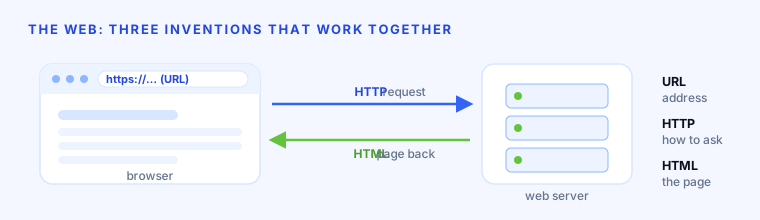
Three simple inventions — a URL to address a page, HTTP to request it, and HTML to describe it — let any browser fetch a page from any server.
Why it mattered
The internet already existed, but using it took expertise. The Web added a simple, universal way to publish and follow links between documents — and, decisively, Berners-Lee and CERN released it royalty-free. That openness let it spread without permission or licensing, and within a few years it had reshaped commerce, media and daily life. Almost everything you do online rides on those three inventions.